A Political Home for Indian Americans

Building political power for the next generation of Indian Americans.

Indian Americans are young, growing, and already living at the center of American politics. Our political infrastructure has not caught up to our numbers.

5.2M
Indian Americans living in the United States today.
50%
Population growth from 2010 to 2020 — the fastest-rising community.
70%
Indian American voter turnout in the 2024 election.
By Astra Civic Fund 2026 A 501(c)(4) Organization
↓ Begin reading
The Indian American Majority — by the numbers
5.2M
Indian Americans & people of Indian origin in the U.S.
$151K
Median annual income for Indian-headed households.
50%
Population growth from 2010 to 2020.
34.2
Median age of Indians in the U.S. — younger than the country itself.
70%
Indian American voter turnout in the 2024 election.

Where to begin.

01.
What We Are

Built by and for the next generation of Indian Americans.

Astra Civic Fund organizes Indian Americans as Indian Americans — not as a foreign lobby, not as a religious proxy fight, not as a photo-op constituency.

We are here because Indian Americans are affected every day by American policy. And because the existing infrastructure has not kept pace with the community it claims to represent.

  • We are not here to relitigate India–U.S. relations.
  • We are not here to import old-country disputes.
  • We are not here to build another closed-door donor circle in Washington.

We are here because Indian Americans are affected every day by American policy: immigration backlogs, health care, education, small business permitting, public safety, housing, student debt, hate crimes, local representation, and who gets heard when decisions are made.

Our politics are domestic. Our work is local. Our ambition is national.
Astra · The Premise

Astra exists to organize this community as a domestic political force — with real needs, real votes, and real leverage. Not symbolism. Power.

02.
Our Line

We are bipartisan because Indian Americans are not a monolith.

We are pro–Indian American. Period.

We will work with Democrats, Republicans, independents, mayors, governors, school board members, legislators, and candidates who take our community seriously.

03.
Why Now

Both parties are doing a poor job courting Indian Americans.

Especially young Indian Americans. The community is bigger and broader than the rooms politicians keep walking into.

Too often, campaigns see a wealthy donor class, a few famous CEOs, or a handful of loud voices — and mistake that for the whole community.

But the real Indian American story is bigger: the med student trying to understand health policy. The engineer who has never been invited into local politics. The motel family in Ohio. The parent on an H-4 visa learning English and starting a business. The grandparent at the temple, or the mandir, who wants to be heard but does not know where to begin.

An underbuilt majority

Indian Americans are one of the highest-earning and fastest-growing communities in the country, but our political power is still underbuilt. Campaigns know our donor potential. They know our turnout potential. What they have not built is a serious, modern infrastructure to reach the full community: students, young professionals, small business owners, physicians, engineers, parents, grandparents, and first-time political donors.

Section Takeaway

Astra exists to close that gap. That is the majority we are organizing — not the donor class, not the diaspora elite, but the everyday Indian American whose vote, voice, and leverage have been left on the table for two decades.

04.
The Gap

Traditional politics cannot reach this community from a ballroom in D.C.

Our organizers can. That is why we begin where we do — and with whom.

A pollster may not reach an Indian aunty at temple. A campaign staffer may not know how to talk to a first-generation college student at a garba practice. A candidate may not understand why green cards, residency slots, tariffs, permits, school boards, and city councils all belong in the same conversation.

But our organizers can.

Astra starts with young Indian Americans because they are not just a demographic. They are the bridge. They can reach their peers, their parents, their grandparents, their campuses, their religious spaces, and the civic rooms where our community has been absent for too long.

A candidate may not understand why green cards, residency slots, tariffs, permits, school boards, and city councils all belong in the same conversation.

Astra · The Bridge

05.
What We Do

We turn Indian American spaces into civic infrastructure.

Food drives, voter drives, organizer trainings, candidate briefings, issue conversations: all of it is political infrastructure.

Astra's work is built on a simple bet: if you organize the community before election season, the votes — and the leverage — follow.

  1. Register voters on campuses across priority states.
  2. Train student and young professional organizers to lead in their own communities.
  3. Build relationships in temples, cultural associations, medical schools, engineering programs, and small business corridors.
  4. Show up at city halls, school boards, state capitols, and federal races.
  5. Identify races where Indian Americans can make the difference.
  6. Invest in community building before election season — not only when a campaign wants turnout.
Operating Principle

Civic infrastructure is built in the years between elections, not the weeks before. Astra resources organizers, chapters, and relationships year-round — so when a race matters, the community is already organized.

06.
Where We Start

Astra is Midwest-rooted by design.

We are starting in the places that national politics often treats as flyover territory — but where Indian American communities are growing, working, studying, worshipping, building businesses, and raising families.

D.C. may be where the receptions happen. It is not where our power begins.

Phase One · First Ground
Michigan
Anchor
Engineering corridors, university towns, suburban Detroit — and a rapidly growing political community looking for a home.
Illinois
Density
Chicagoland's deep Indian American density makes it a training ground for chapter-building, voter contact, and candidate pipelines.
Ohio
Battleground
Motel families, university communities, small-business owners — the kind of constituency national campaigns skip past. We won't.
Phase Two · Then Outward
Minnesota
Twin Cities
Engineering and medical communities in the Twin Cities, growing university chapters, and an active Indian American civic culture ready to scale.
North Carolina
Research Triangle
Raleigh-Durham-Chapel Hill, the Charlotte tech corridor, and the South's fastest-growing Indian American population — off the radar nationally, central to ours.
Pennsylvania
Suburbs & Steel
Philadelphia suburbs, the Pittsburgh tech-and-medical corridor, and a swing-state legacy that makes every cycle count.

The pattern is the same wherever the work goes: campuses first, temples and cultural associations next, small business corridors after that. Then races.

On the Ground

Where the work is happening.

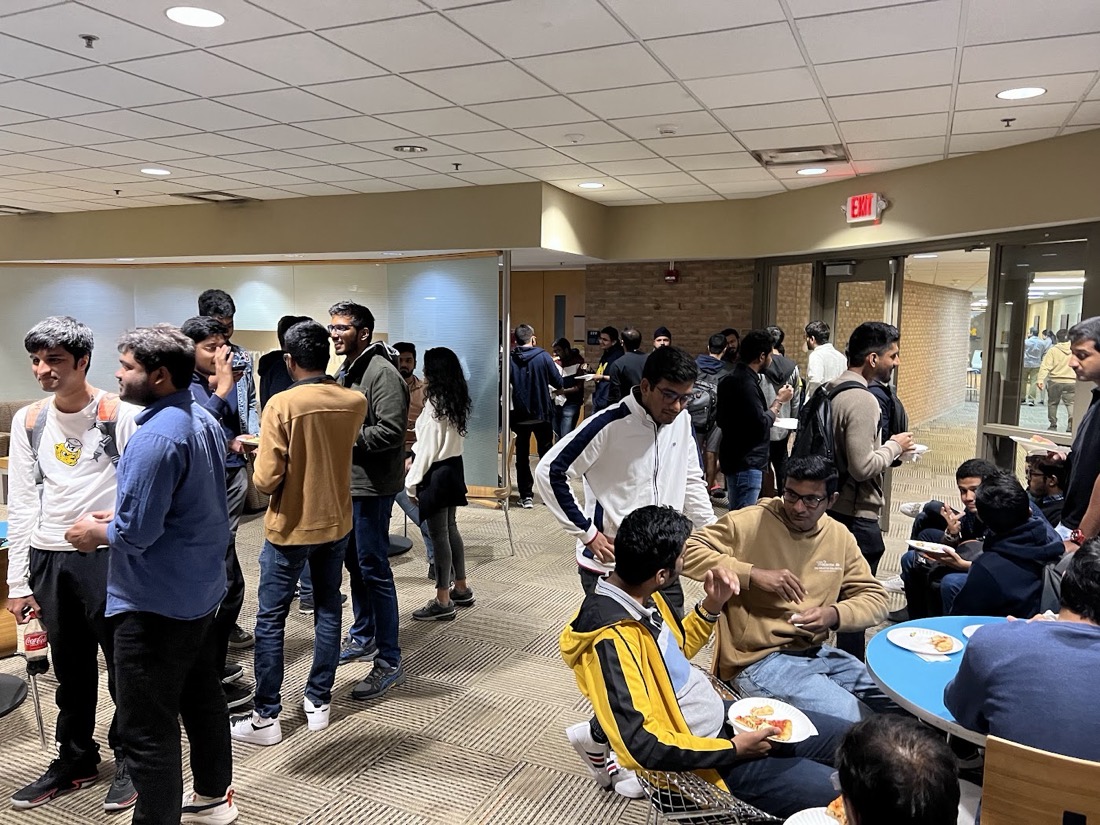
Six states. Six communities. Photos from the campuses, temples, city halls, and living rooms where Astra is showing up.

Alabama Alaska Arizona Arkansas California Colorado Connecticut Delaware Florida Georgia Hawaii Idaho Illinois Indiana Iowa Kansas Kentucky Louisiana Maine Maryland Massachusetts Michigan Minnesota Mississippi Missouri Montana Nebraska Nevada New Hampshire New Jersey New Mexico New York North Carolina North Dakota Ohio Oklahoma Oregon Pennsylvania Rhode Island South Carolina South Dakota Tennessee Texas Utah Vermont Virginia West Virginia Wisconsin Wyoming District of Columbia
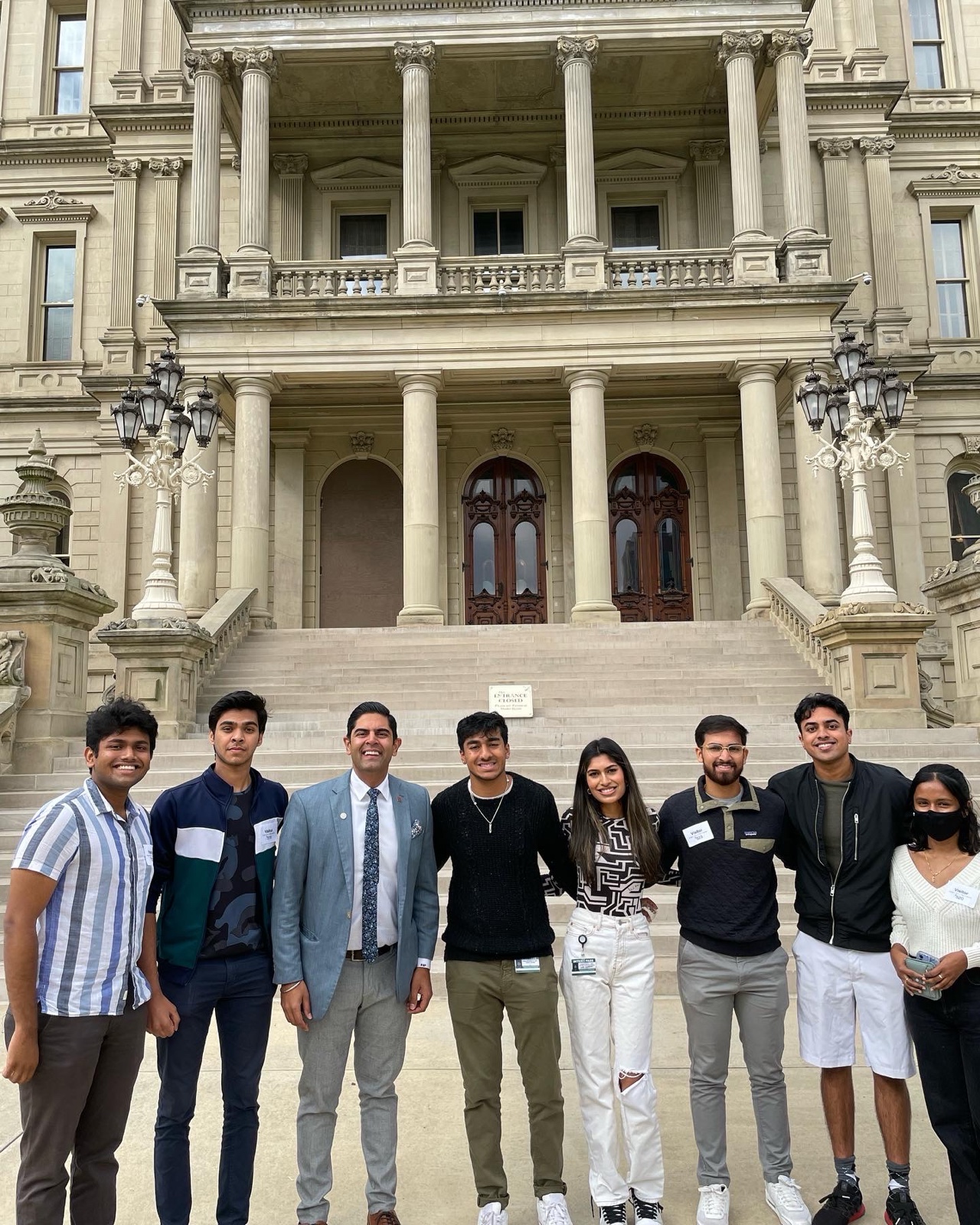
A delegation of young Indian Americans on the steps of the Michigan State Capitol in Lansing
Michigan On the steps of the State Capitol — a delegation in Lansing.
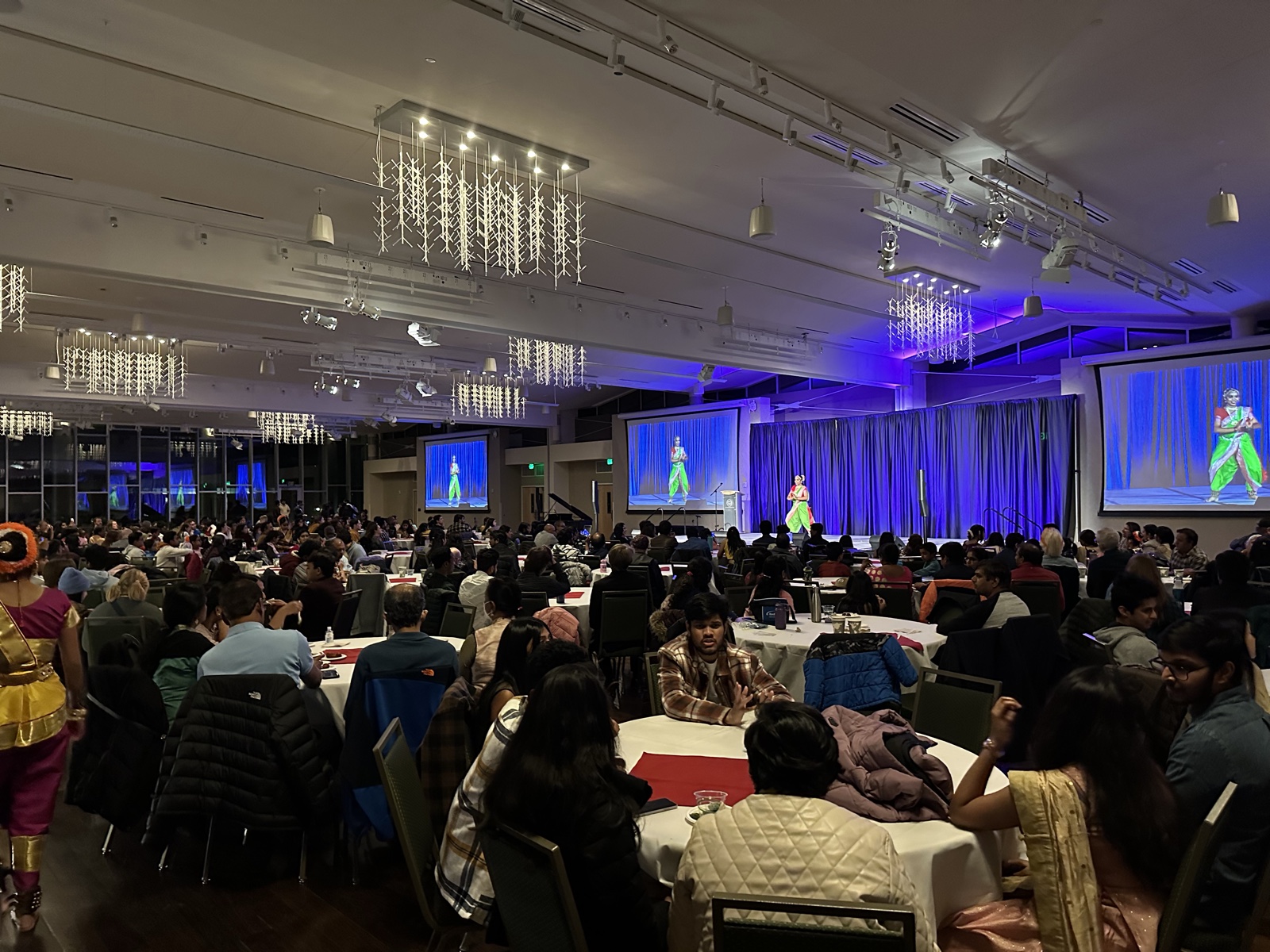
Cultural night at a community gathering with classical dance performance
Illinois Cultural night meets civic engagement — politics alongside the dance.
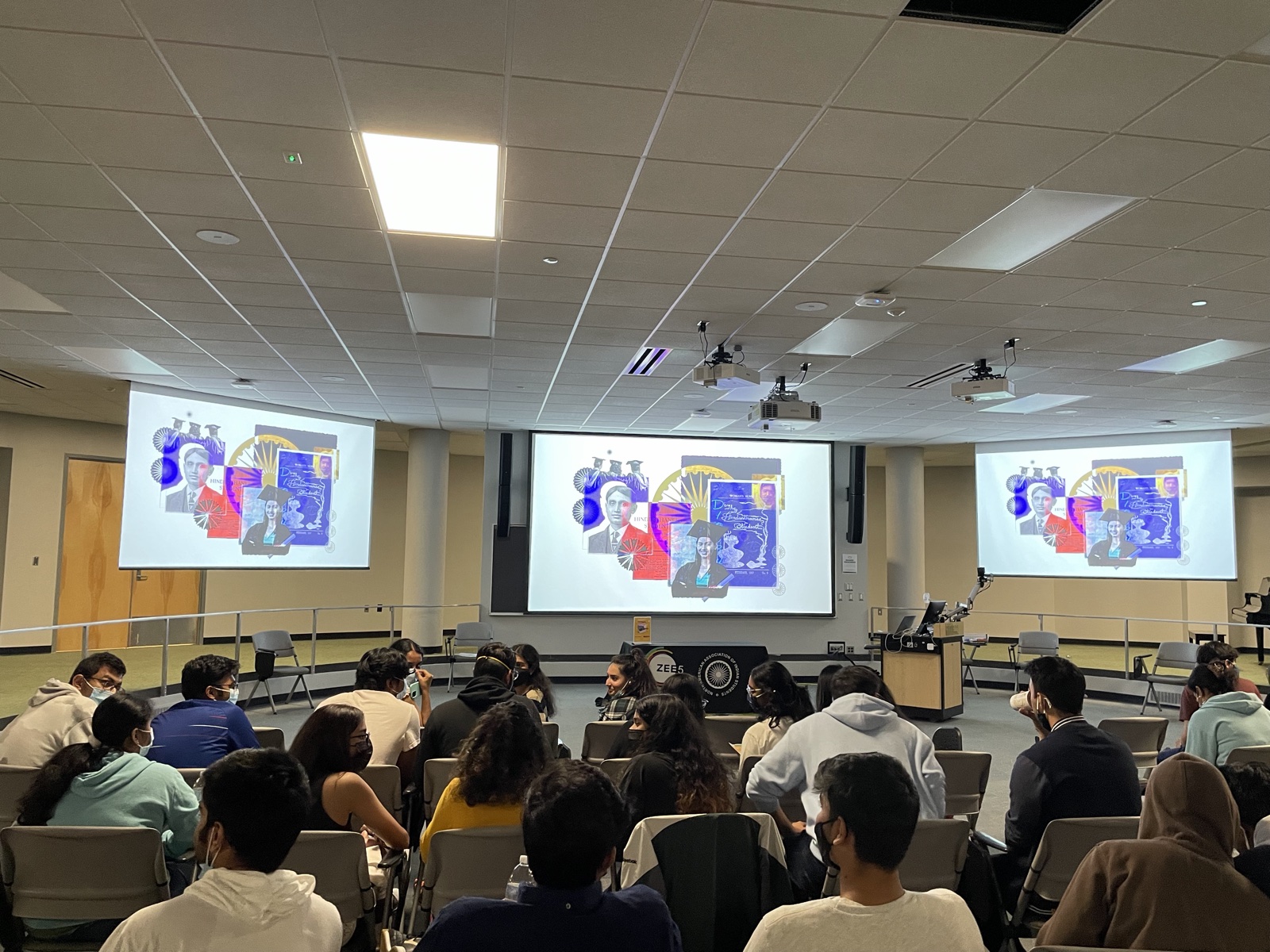
Community Q&A session with a young organizer holding a microphone
Ohio Community conversation — taking the mic on civic issues.
Get-out-the-vote night at a Diwali celebration — voting plan cards in hand
Minnesota Get-out-the-vote night at a Diwali celebration — voting plans in hand.
Campus voter registration table
North Carolina Campus voter registration drive — students engaging peers.
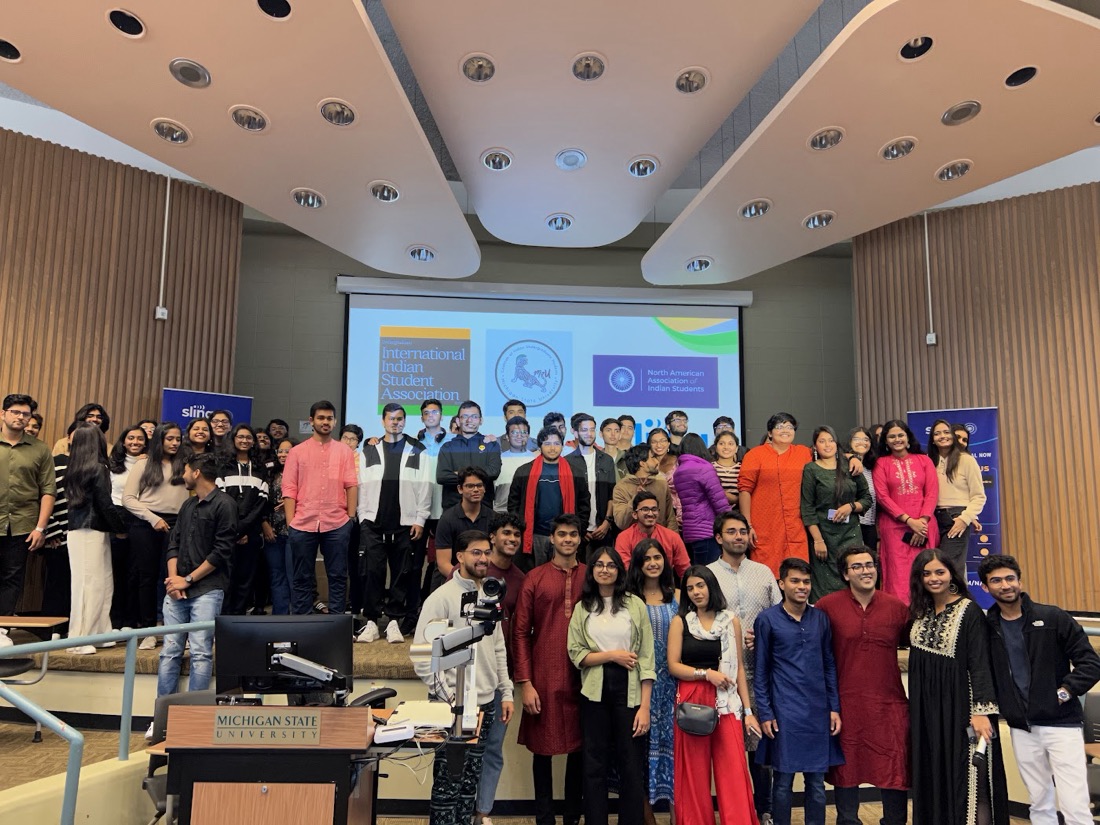
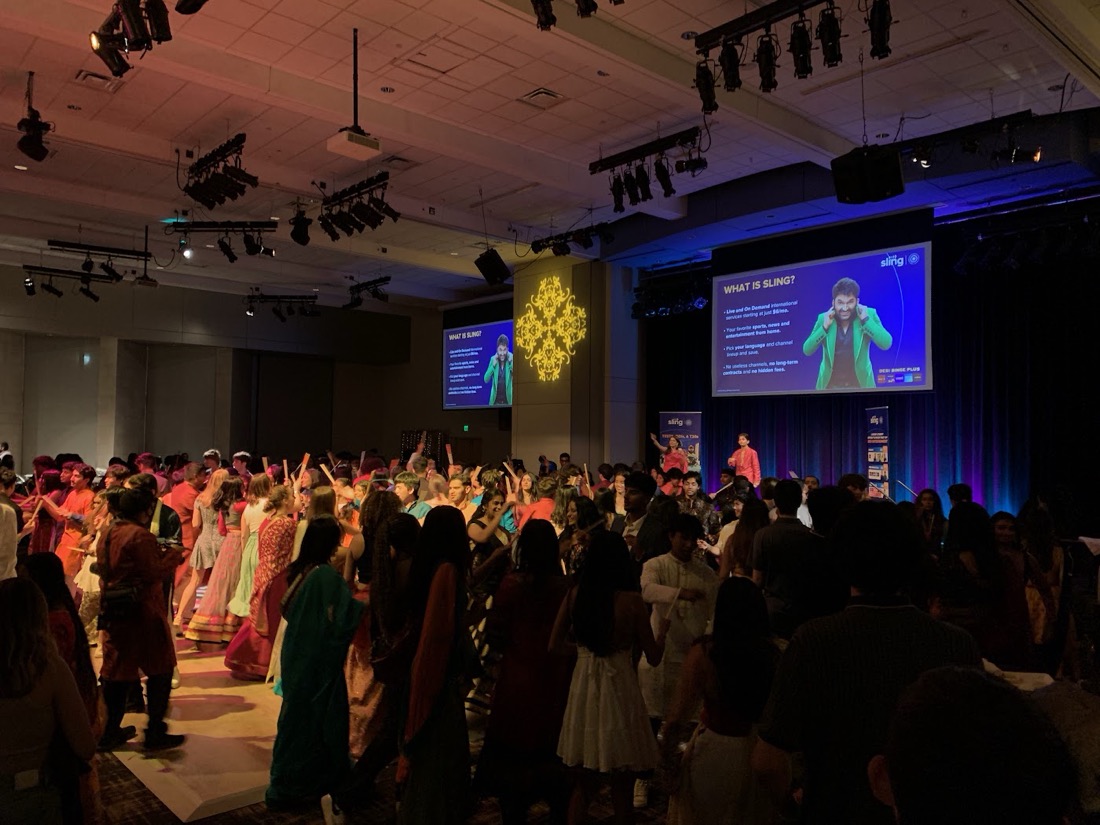
A packed theater at a major community gathering
Pennsylvania A packed house at a community town hall — engaging the full room.
07.
The Name

An astra is invoked with purpose.

It is not chaos. It is directed will.

In Hindu mythology, an astra is a weapon of cosmic intent: invoked with purpose, guided by principle. We chose the name because democracy, too, requires force. Not chaos. Directed will.

The name also carries aspiration: looking upward, reaching beyond what was supposed to be possible. It names the gap between what a community is told it can ask for, and what it actually has the standing to demand.

Astra is what we summon when waiting is no longer enough.

Astra · The Meaning

Why the Name

Some things must be summoned. The next chapter of Indian American political life is one of them — directed, deliberate, and built on purpose rather than waited for.

ii.
The Call

The question is whether those numbers become power.

Help us build the machinery — organizers, chapters, voter contact, campus networks, local relationships, race strategy — and a generation of Indian Americans who know exactly where they belong in American politics.

The question is not whether Indian Americans have numbers. The numbers are settled. The question is what we do with them — and who builds the structures that turn them into leverage.

i.People

Organizers — a generation trained to lead.

Field organizers, campus leads, fellowship cohorts. Indian Americans organizing Indian Americans, with the cultural fluency that traditional campaigns lack.

ii.Place

Chapters in priority states.

Michigan first. Illinois. Ohio. Then outward. Each chapter rooted in local relationships — campuses, temples, cultural associations, small business corridors — not airdropped staff.

iii.Reach

Modern voter contact infrastructure.

Texts, calls, doors, in-language outreach, and the kind of community trust no consultant can buy. Built once and maintained year-round.

iv.Pipeline

Campus networks that produce leaders.

Indian American students are already the bridge between generations. Astra resources their organizing, trains their fluency in policy, and brings them into civic rooms early.

v.Trust

Local relationships, not parachute politics.

Food drives, mentorship, candidate forums, school board engagement. The work that earns the standing to be heard later — when it matters.

vi.Edge

Race strategy where we can decide outcomes.

We identify races — federal, state, local — where Indian American voters can make the difference, and we resource those races accordingly.

Some things must be summoned

Astra is what we summon when waiting is no longer enough.

Build the machinery with us. Organize as Indian Americans. Show up where it matters. The next chapter of this community begins with the people who decide it is theirs to write.

Astra Civic Fund · Summoned for this moment.

Notes & sources.

  1. 5.2M Population estimate for Indian Americans and people of Indian origin in the United States. U.S. Census Bureau · American Community Survey
  2. $151K Median household income for households headed by an Indian American. U.S. Census Bureau · American Community Survey · Pew Research Center
  3. 50% Indian American population growth between 2010 and 2020. U.S. Census Bureau · 2010 and 2020 Decennial Censuses
  4. 34.2 Median age of Indian Americans in the U.S. U.S. Census Bureau · American Community Survey
  5. 70% Indian American voter turnout in the 2024 general election. AAPI Data · Asian American Voter Survey, 2024

Photographs courtesy of community organizations and event participants. Quotes attributed to "Astra" represent the project's editorial voice rather than verbatim source material. Figures are rounded to the nearest tenth and reflect the most recent publicly available data at time of publication. For corrections or source requests, write to info@astracivic.org.